


We started with one hive. A cedar box, a hand-me-down smoker, and a colony someone gave us because they were moving. We didn't know what we were doing. We still joke that the bees taught us everything we know about beekeeping — and bees are not patient teachers.
Wildflower honey isn't just a variety — it's a record. Every jar reflects the blooms that were open when the bees were foraging: clover in June, black-eyed Susans in July, goldenrod in September. Our land sits near a mix of meadow, forest edge, and low pasture, which gives the bees a long, varied season. That variety shows up in the flavor.
Bees forage a radius of up to three miles from the hive. So our honey carries traces of every farm, yard, and wild space within three miles of us. There's something beautiful about that — a jar of our honey is a snapshot of this corner of the countryside in a particular week of a particular year.
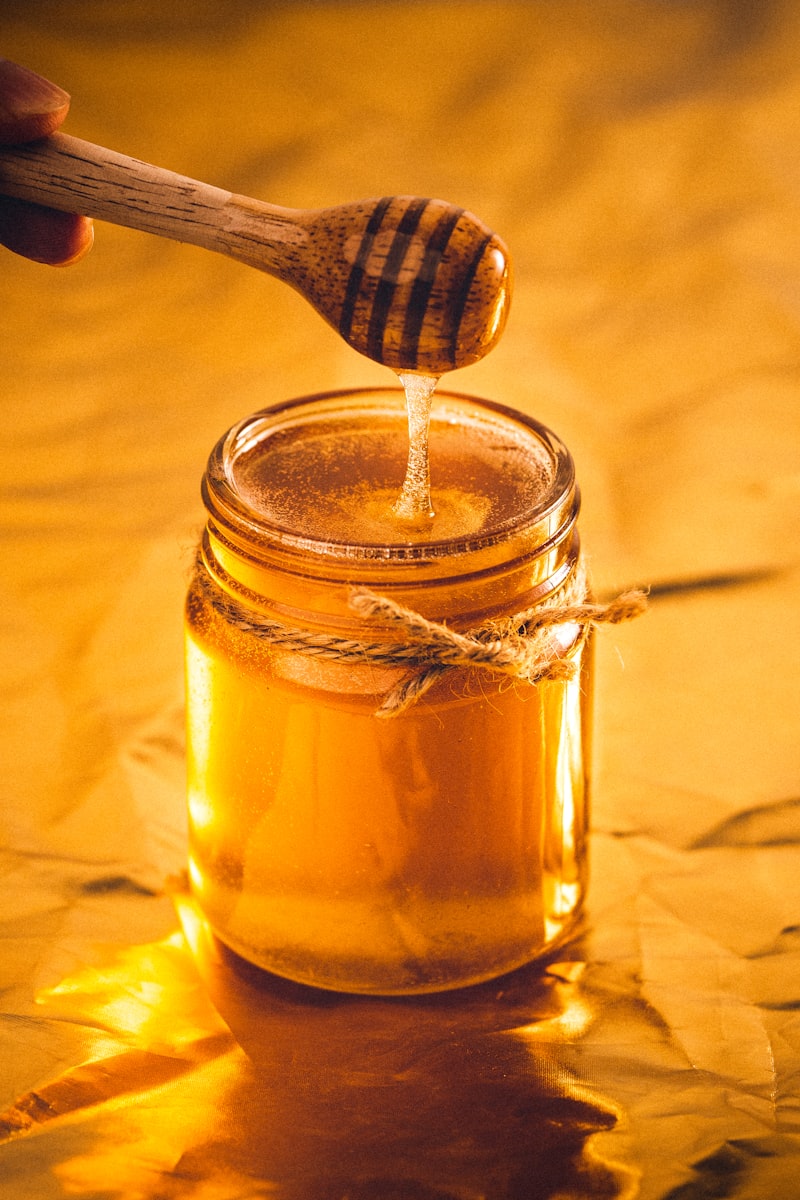
Every jar we sell tastes a little different depending on the season. The spring honey is lighter, almost floral. Summer gets deeper, sometimes a little spicy from the wildflowers. Fall honey is rich and dark, almost molasses-like from the goldenrod. That variation is not a flaw — it's the whole point.